Alex Harris has helped shape the visual story of New Mexico for more than fifty years. He arrived in Peñasco in the summer of 1972, twenty-two years old and on assignment to photograph the village elders, and he stayed. His photographs of northern New Mexico are not only documents of a place. They are portraits of belonging. At Webster Collection we are drawn to his work because it expands our understanding of the Southwest, and because it shows that the character of this region lives in its people as much as in its landscapes.
Biography
Alex Harris is an American photographer, author, and educator. He was born in Atlanta, Georgia, in 1949 and graduated from Yale College in 1971. Between 1972 and 1978 he lived and photographed in Hispanic villages in northern New Mexico and in Inuit and Yupik villages in Alaska. He founded the Center for Documentary Photography at Duke University in 1980 and directed it for eight years, and in 1989 he was one of the founders of the Center for Documentary Studies there. His photographs are held by the Museum of Modern Art, the Metropolitan Museum of Art, the J. Paul Getty Museum, the High Museum of Art in Atlanta, and the National Museum of Natural History at the Smithsonian Institution, and by the New Mexico Museum of Art here in Santa Fe. He has received a Guggenheim Fellowship, a Rockefeller Foundation Humanities Fellowship, and a Lyndhurst Prize. River of Traps, written with William deBuys, was a finalist for the Pulitzer Prize.
In the collection’s words
What continues to draw us to Alex Harris is his ability to reveal the universal within the deeply local. His photographs honor ordinary lives with clarity, empathy, and patience.
Three of the four El Valle pictures here are of one man. Jacobo Romero was Harris’s neighbor there, and River of Traps is his book as much as it is anyone’s. Harris gave the eulogy at his funeral in 1985, and said afterward that he understood then that he had become part of the story he had been trying to tell. That is the whole distance between reporting on a place and belonging to it.
The car interiors here belong to Red White Blue and God Bless You, his work of 1979 to 1988. He kept the dashboard in the frame, so that every landscape is also a portrait of whoever was driving.
Seven of the photographs here are not from New Mexico at all. The Idea of Cuba occupied him from 1998 to 2003, and it is recognizably the same eye: a place photographed from the inside, at close range, by someone who kept going back.
For those who know this place, his work carries the feeling of recognition. For those discovering it for the first time, it offers an honest introduction to northern New Mexico and the people who give it life.
Continue exploring
- Northern New Mexico Color, his exhibition here, and the fullest account of this work we have shown
- Photographs by Alex Harris in the collection, including Black Mesa, Las Trampas Church, Amadeo Sandoval’s Kitchen, and Furr’s Parking Lot, Saturday Night
- The Space Between, the photographer William Greiner in collaboration with the painter Matt Clark
- Photographs in the collection and the fine art collection
- Laura Gilpin and Elliott McDowell, two other lengths of the New Mexico photographic line
- Webster Collection and living in Santa Fe
Alex Harris Artwork For Sale
-
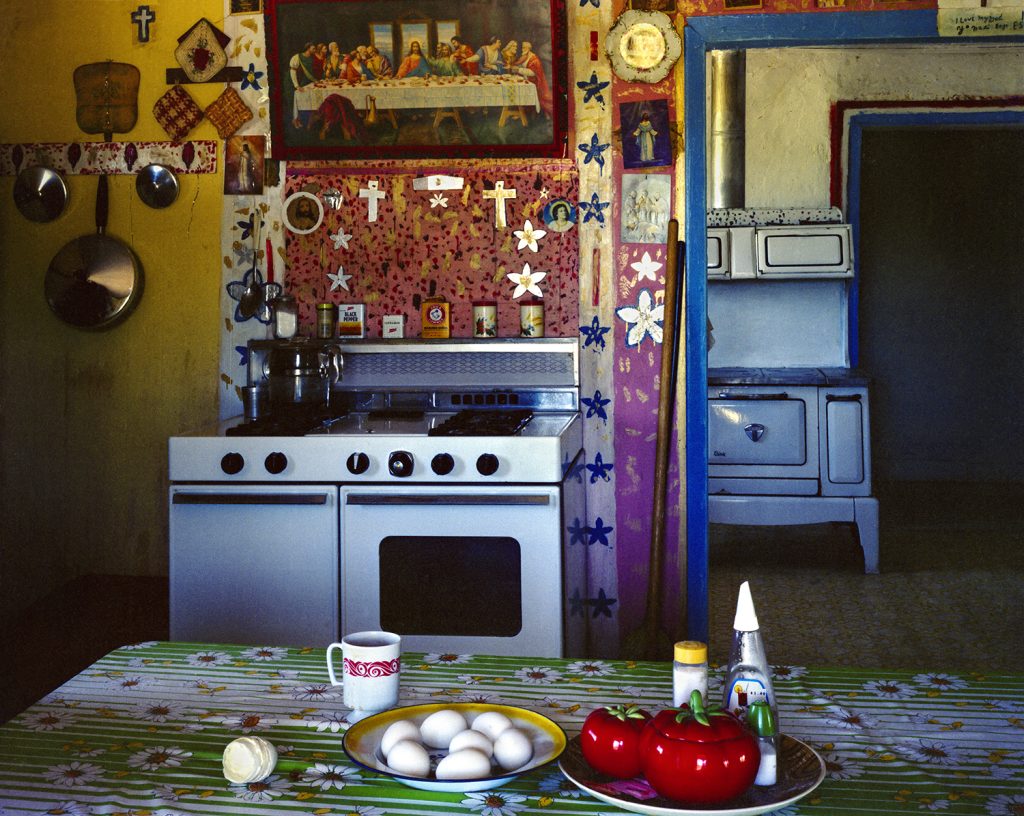
Alex Harris Amadeo Sandoval’s Kitchen
Price range: $3,000.00 through $7,500.00 -
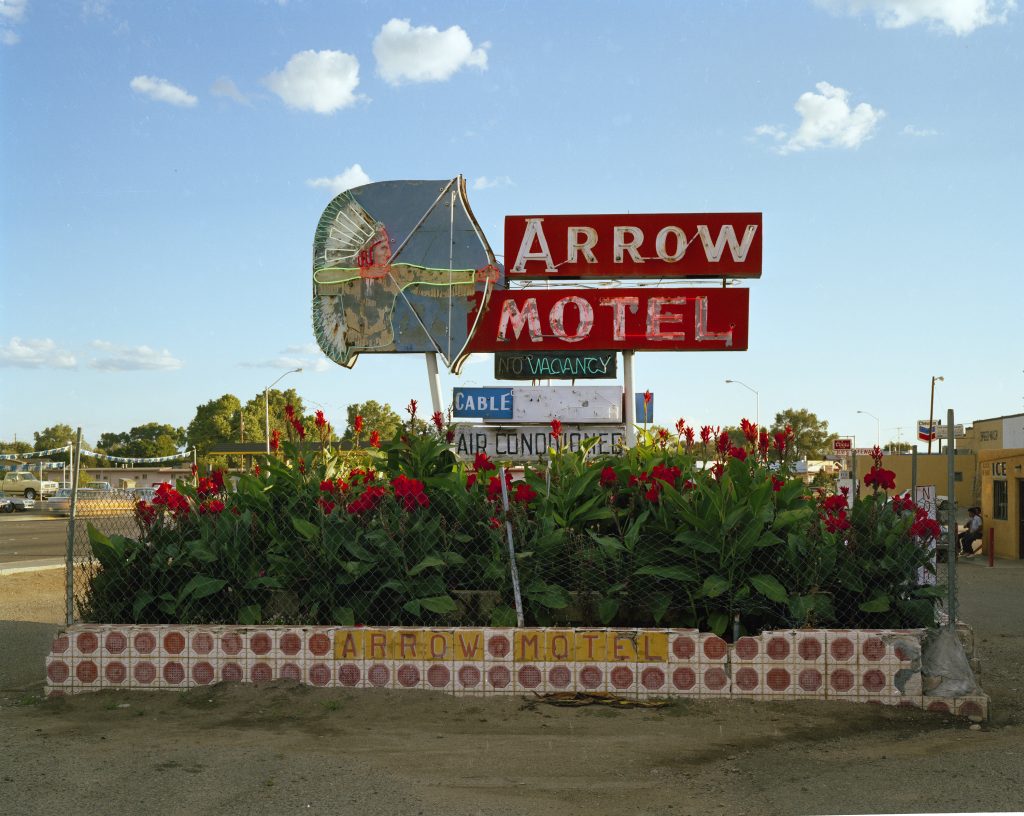
Alex Harris Arrow Motel
Price range: $3,000.00 through $7,500.00 -
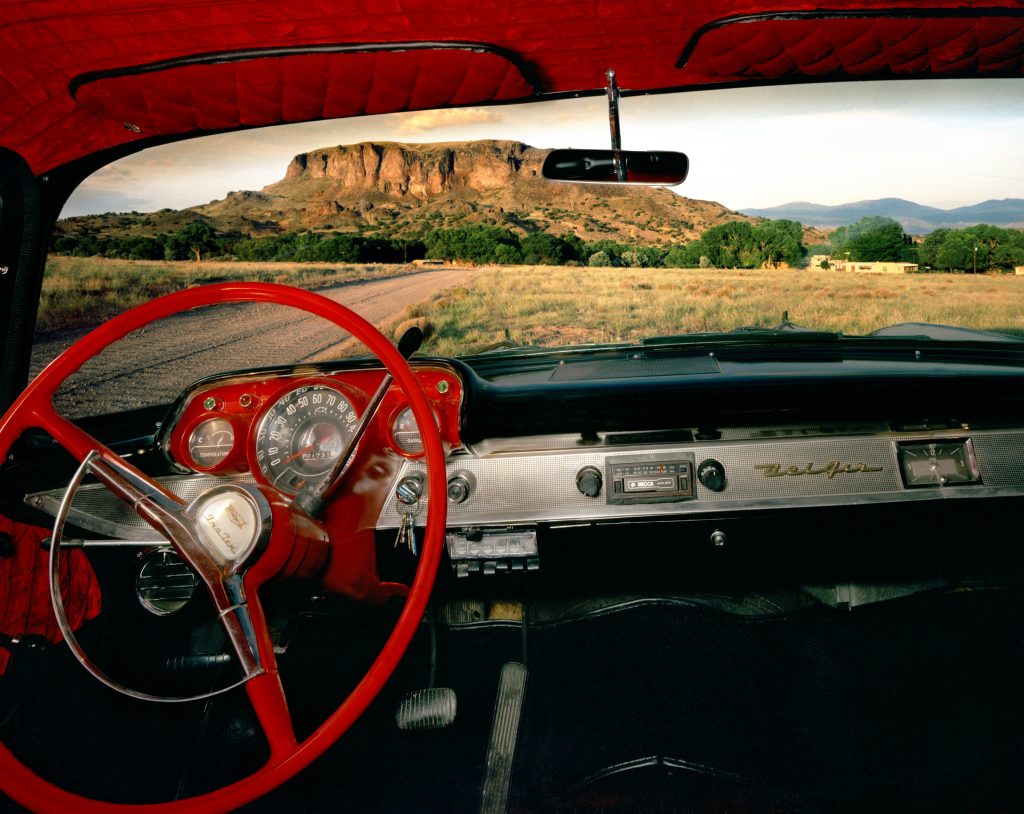
Alex Harris Black Mesa
Price range: $3,000.00 through $7,500.00 -
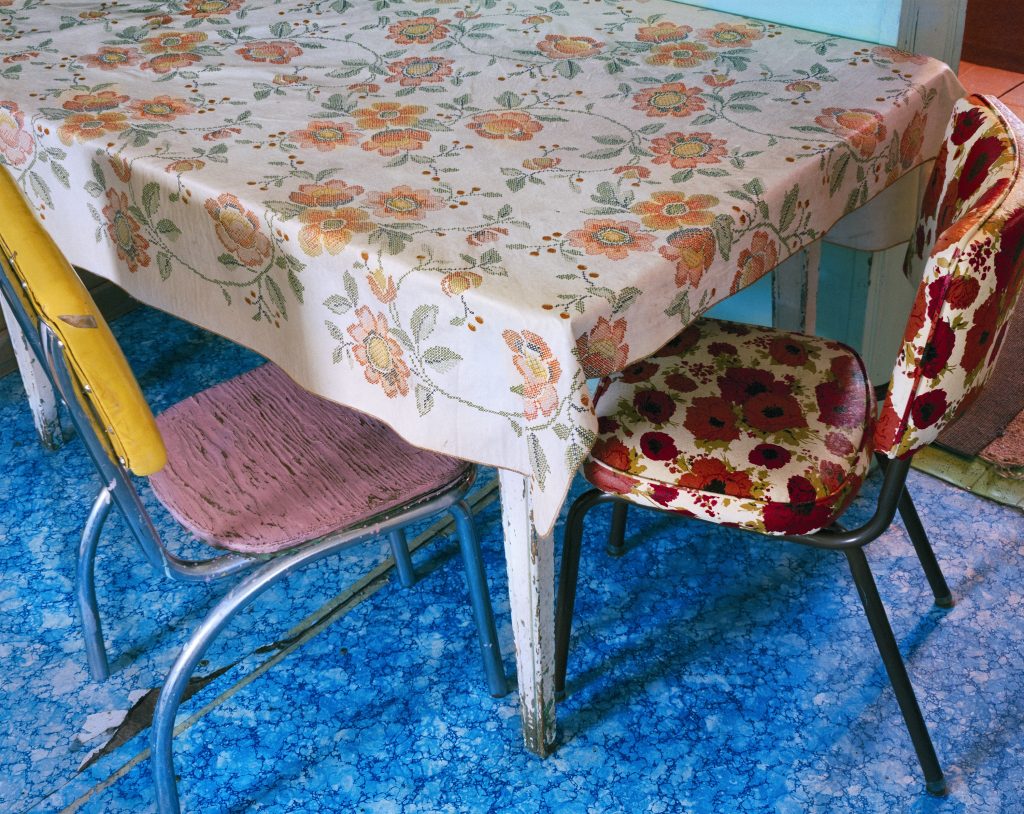
Alex Harris Celina Cruz’s Kitchen
Price range: $3,000.00 through $7,500.00 -
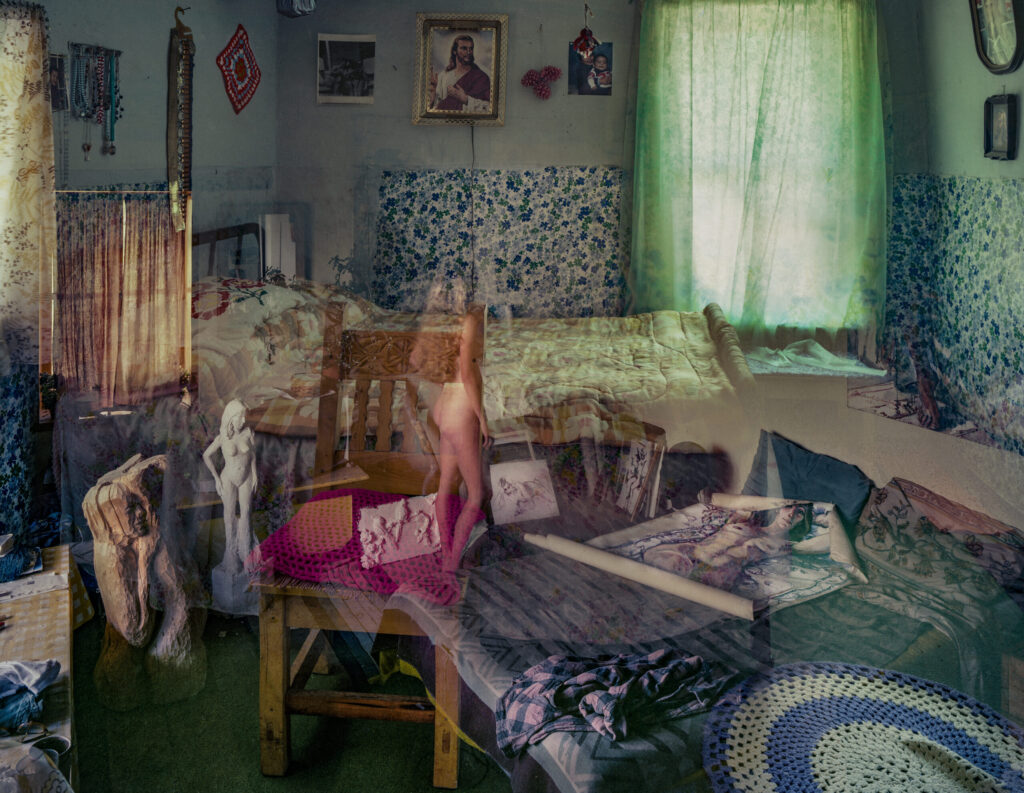
Alex Harris Double Exposure
Price range: $3,000.00 through $7,500.00 -
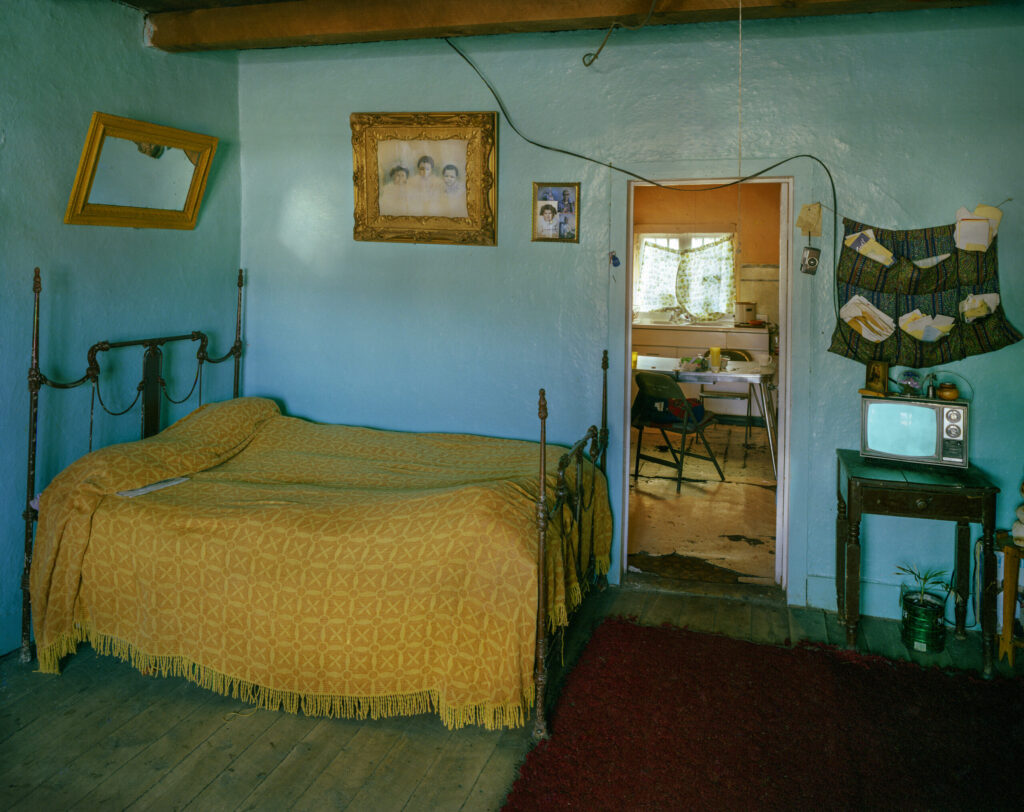
Alex Harris Duviejio Gonzalez’s Bedroom
Price range: $3,000.00 through $7,500.00 -
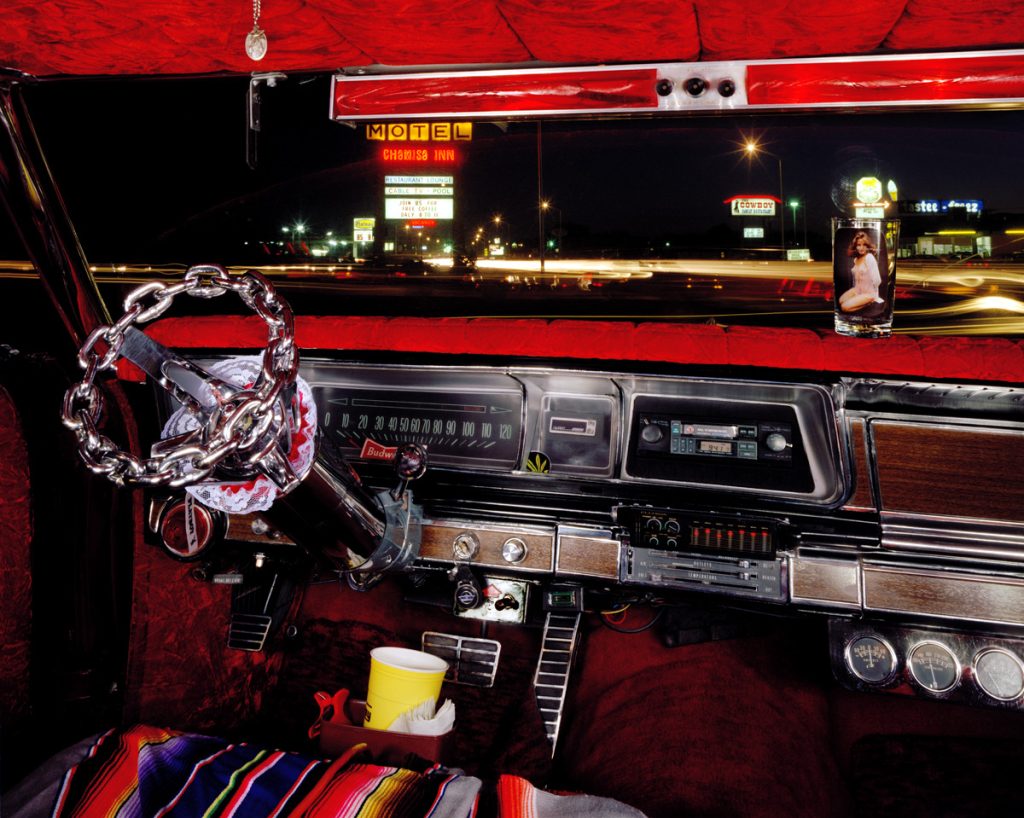
Alex Harris Furr’s Parking Lot, Saturday Night
Price range: $3,000.00 through $7,500.00 -
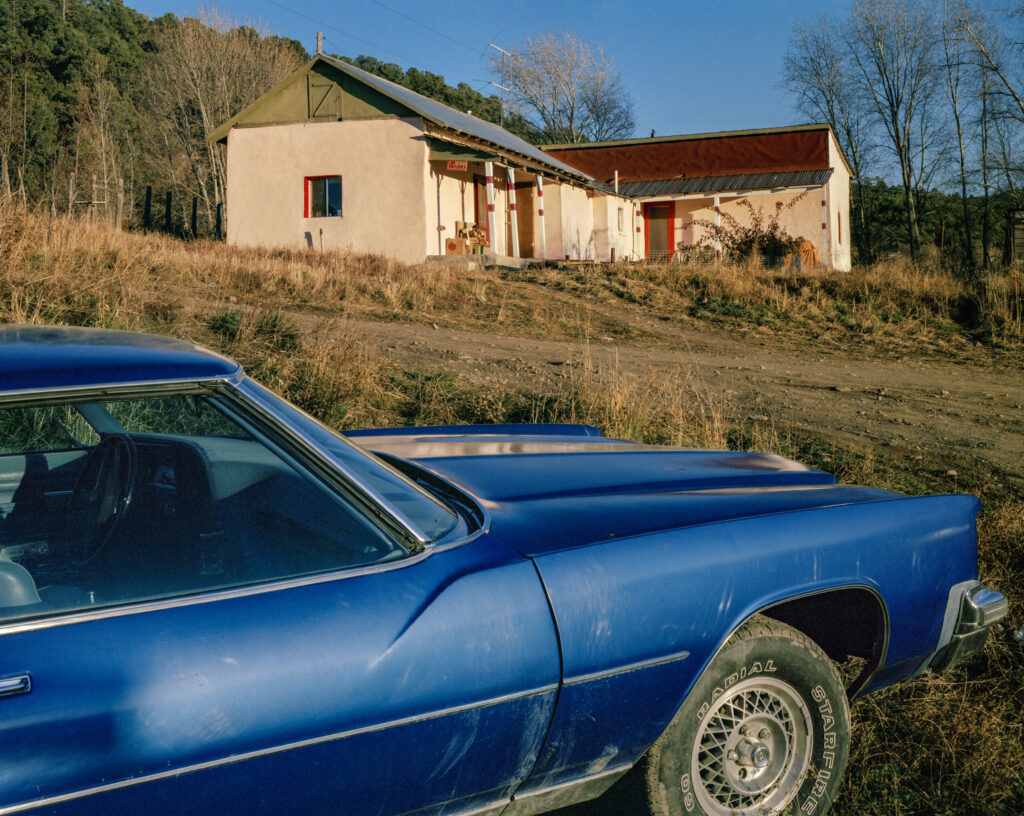
Alex Harris George Romeros House
Price range: $3,000.00 through $7,500.00 -
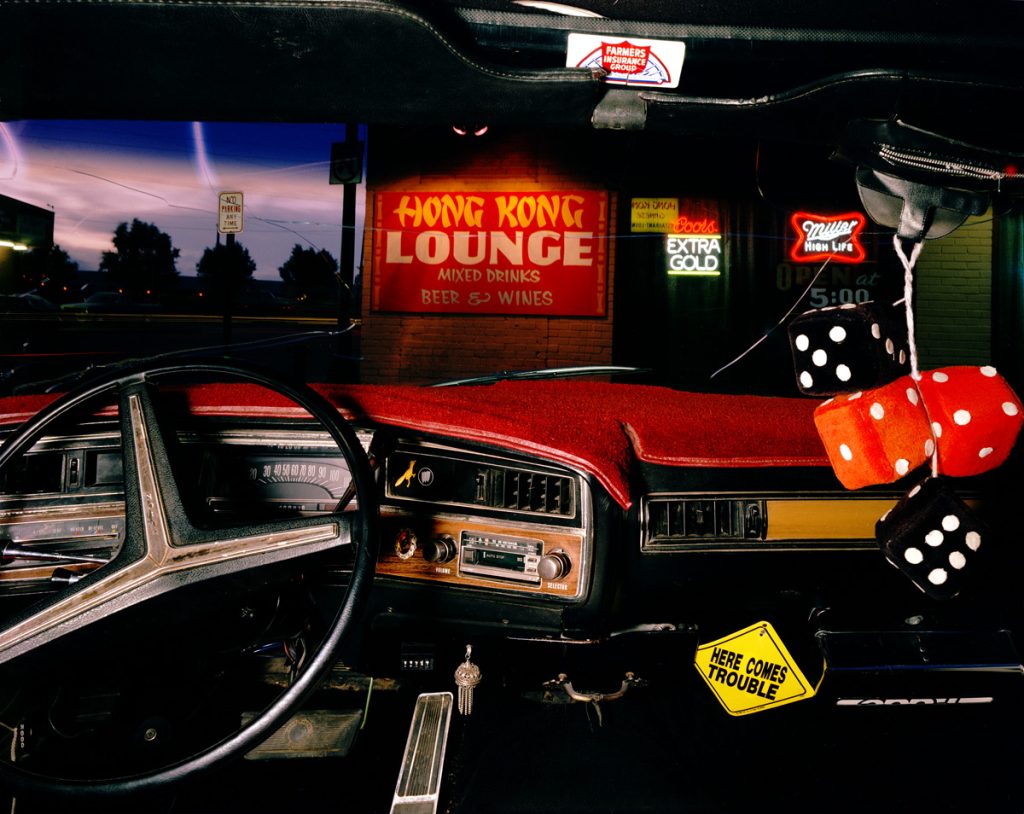
Alex Harris Hong Kong Lounge
Price range: $3,000.00 through $7,500.00