Get in Touch
Let's connect and discuss how we can help you enrich your Santa Fe experience.

Old Pecos Trail is the southeast-running corridor that connects downtown Santa Fe to the entrance to the Pecos and Glorieta valleys. The road itself is one of the city’s older and most evocatively named arteries — historically the trail to the old Pecos Pueblo — and the residential streets that branch off it include some of Santa Fe’s most architecturally significant homes.
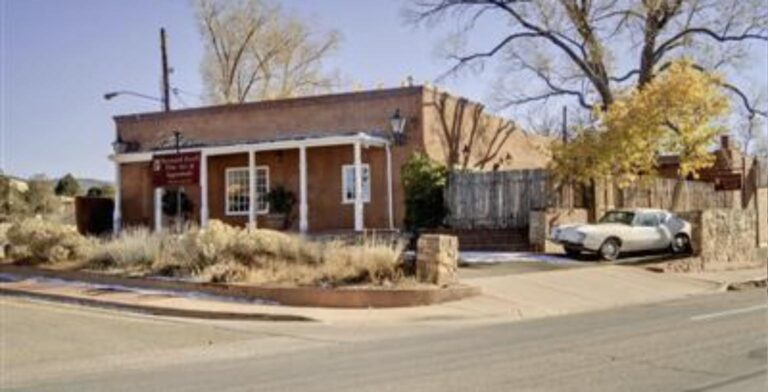
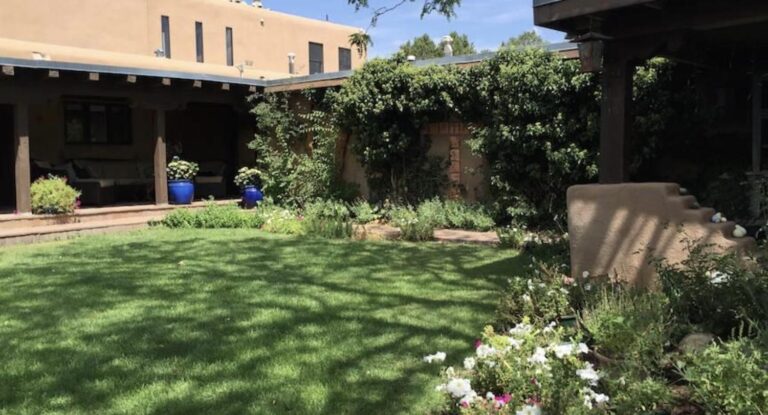
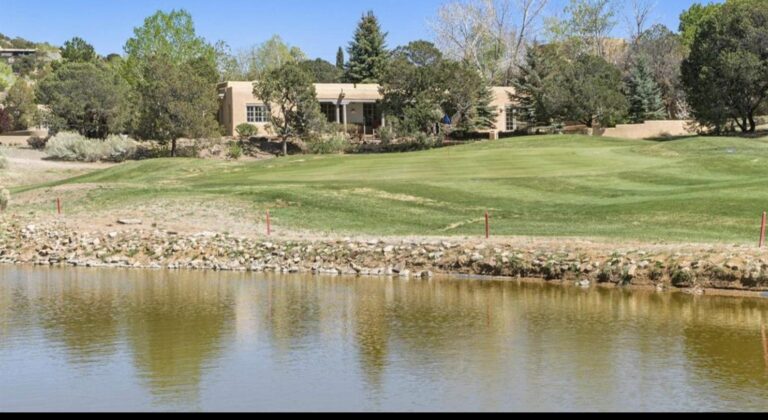
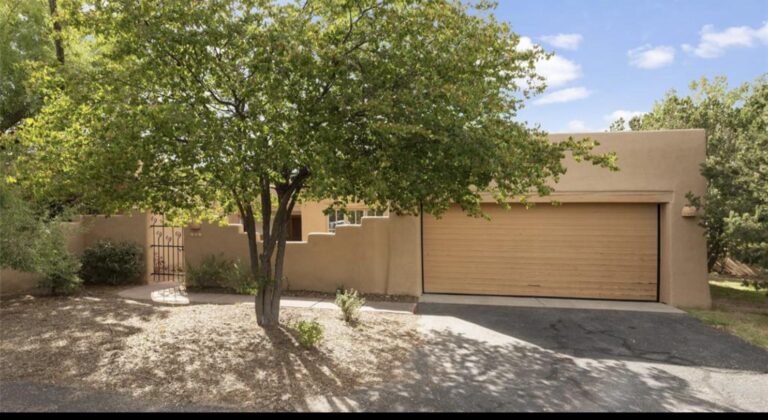
The architecture is the draw. Old Pecos Trail has long been associated with the great twentieth-century Santa Fe architects, and several documented John Gaw Meem-designed homes sit within a few blocks of each other. The Carlos Vierra House — a hand-built adobe by the artist Carlos Vierra and a designated historic property — is on this corridor, as are a number of Pueblo Revival and Spanish Pueblo Revival homes from the 1920s through the 1950s. Lots tend to be generous, mature trees are common, and the streetscape has retained its older feel better than most parts of the city.
Living on Old Pecos Trail is a quieter version of downtown living. The Plaza is a five-to-ten-minute drive, with several restaurants on Old Santa Fe Trail and Old Pecos Trail itself in the in-between corridor. The Wheelwright Museum of the American Indian, the Museum of International Folk Art, and Museum Hill are within minutes. The neighborhood feels established and lived-in rather than transitional.
Webster Estates has handled multiple Old Pecos Trail transactions including the Carlos Vierra House and a documented John Gaw Meem estate. Inventory is small — these homes turn over rarely — and pricing reflects both the architectural pedigree and the lot quality, typically running well into the upper tier of the Santa Fe market.
Old Pecos Trail is quieter than the Plaza-adjacent neighborhoods but better-connected than the Northside. Most properties have generous lots, mature trees, and architectural pedigree — several documented John Gaw Meem homes share the corridor with Pueblo Revival and Spanish Pueblo Revival homes from the 1920s through the 1950s. Museum Hill is minutes away; the Plaza is a five-to-ten-minute drive. The neighborhood feels established, lived-in, and unhurried.


Let's connect and discuss how we can help you enrich your Santa Fe experience.