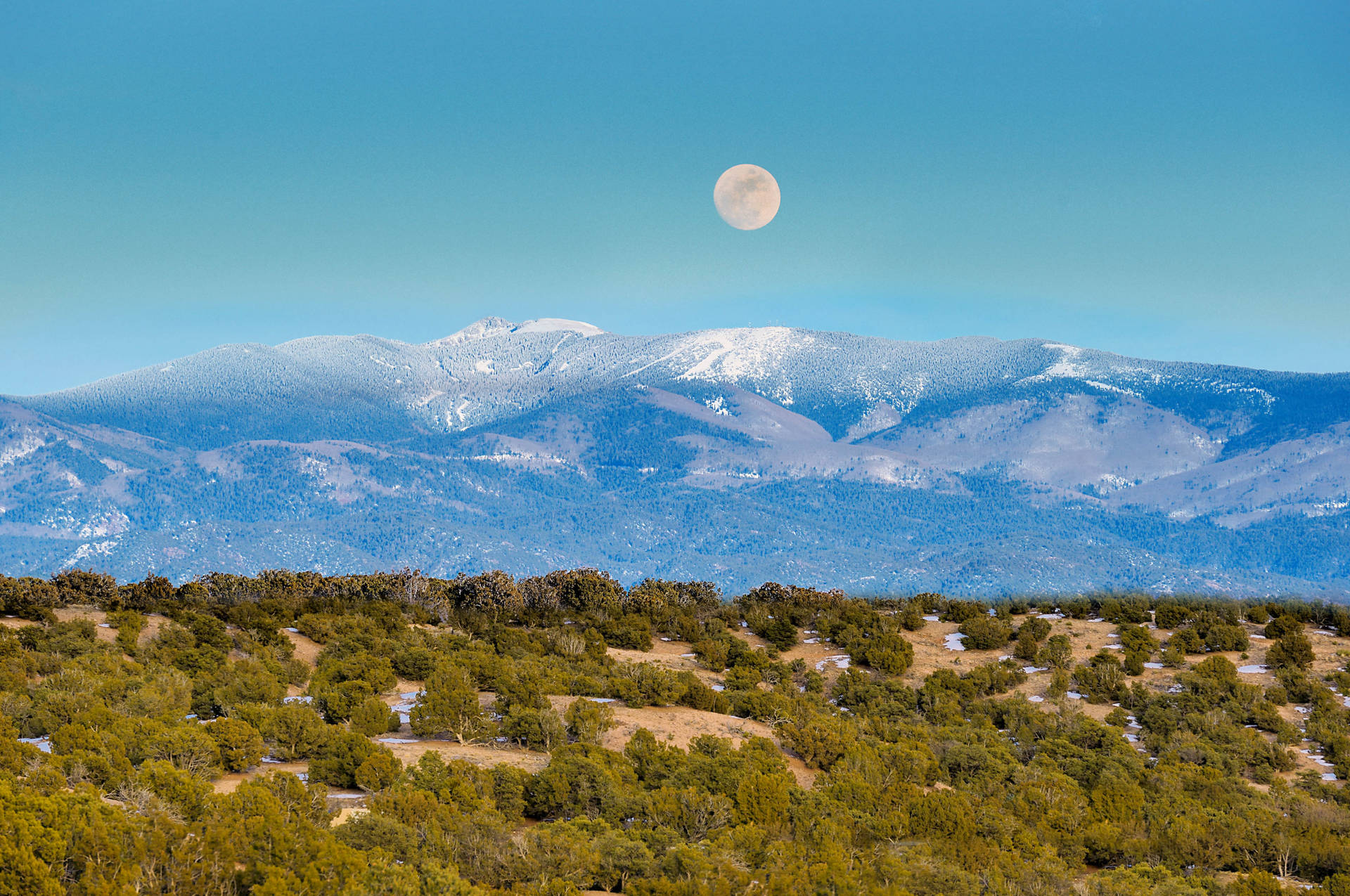
Northside Santa Fe is shorthand for the residential country north of the city core, the area beyond St. Francis Drive and Camino Cabra, running up toward the boundary of the Santa Fe National Forest. It is where Santa Fe stops being a city and starts being country. Lots are large, neighbors are spaced, views run for miles, and the practical orientation of life shifts from walking to driving.
What “Northside” means
The Northside is not a single neighborhood with sharp boundaries but a corridor of related residential streets and subdivisions that share a common geography and character. Tano Road runs west-northwest from St. Francis Drive into open country and is probably the best-known Northside address. Hyde Park Road climbs north from St. Francis past Fort Marcy and into the foothills, eventually reaching 10,000 Waves and the Santa Fe National Forest trailhead network. Brownell Howland Road, Cerro de La Paz, and Circle Drive sit between these, forming the network of paved and dirt roads that connect the various subdivisions and estates.
The corridor extends roughly from the city limits to the National Forest boundary, with the densest residential development in the inner portion and increasingly large lots as you move outward. Some pockets (Hyde Park Estates, Las Cumbres) are organized as formal subdivisions; others are simply collections of estate properties on connecting roads.
A brief history
For most of Santa Fe’s history, the country north of the city was ranchland and undeveloped public and private land. Spanish land grants extended into the area, but residential development happened slowly. The first estate-scale homes appeared in the mid-twentieth century as Santa Fe expanded northward and as buyers sought space and views outside the city. The 1970s and 1980s brought the bulk of the current residential character: custom contemporary homes on large lots, working horse properties, and the occasional larger estate compound.
The Northside does not have the centralized planning history of Las Campanas or the preservation framework of the Historic East Side. What you find is the accumulated result of individual decisions by individual buyers and builders, layered across decades.
Architecture: heterogeneous by design
The Northside has the most architecturally varied residential stock of any Santa Fe-area neighborhood. Custom contemporary homes from the 1980s, traditional adobe estates, working ranch properties, post-and-beam contemporary builds from the 1990s and 2000s, and a handful of significant John Gaw Meem-era residences all share the corridor. The unifying element is not style but siting; most homes are positioned on rises or knolls to capture the long views southwest toward the Jemez and northeast toward the Sangres.
Lot sizes run from two acres on the inner portions of the corridor to ten acres or more on the outer estates. Many properties include horse facilities (pasture, paddocks, barns), reflecting the equestrian culture that has long been part of the Northside’s character. The bigger estates often include guest houses, working studios, and substantial outdoor living infrastructure.
Daily life on the Northside
Daily life is car-based. The Plaza is ten to fifteen minutes by car from most Northside addresses; nothing on the Northside is walkable to substantive amenities. Hyde Park Road runs through the corridor and connects to the Santa Fe National Forest trailhead network, which gives most Northside residents quick access to hiking and walking trails within a short drive of home. The Ski Santa Fe road begins where Hyde Park Road ends, putting the ski area roughly twenty-five minutes from most properties.
The compensation for the distance from city services is the privacy, the dark night skies, and the scale. Most Northside properties feel substantively rural. Neighbors are out of sight, the soundscape is birds and wind rather than traffic, and the night sky is dark enough that Santa Fe County’s light-pollution ordinances make a visible difference.
Who buys on the Northside
Privacy buyers are the largest single segment. The Northside delivers a level of seclusion no other Santa Fe-area neighborhood matches. Equestrian buyers, particularly those who want to keep horses on their own property, find Northside properties well-suited to that use; many are already set up for it. Estate buyers (looking for ten-acre-plus lots, significant guest accommodations, and architectural privacy) find more inventory here than anywhere else in the area.
Second-home buyers who want a large property with no HOA constraints choose the Northside over Las Campanas. Full-time residents who can work remotely, or commute into Santa Fe for office hours, choose it over the Historic East Side for the space and the lack of foot traffic. The corridor is not a fit for buyers who want walkable amenities or short, frequent trips to the Plaza; those buyers find better fits closer in.
Market dynamics
Northside inventory varies widely in any given month. The corridor includes everything from smaller two-acre properties at the inner edge to ten-acre estate compounds at the outer reach. Pricing reflects lot size, view quality, and the level of finish on the home itself. Entry-level Northside properties can open just above $1 million for smaller homes on smaller lots, while major estate properties with substantial acreage and premier views run well into the multi-million range. The high end of the Northside market is genuinely high end; eight-figure transactions are not unusual for the most significant estates.
Webster Estates and the Northside
Webster Estates has closed Northside transactions on Tano Road, Brownell Howland Road, Cerro de La Paz, and Circle Drive, among others. The full list of available and recently sold Northside properties is on the Northside market archive. Webster Santa Fe’s Northwest Santa Fe guide covers some of the same territory and is worth reading alongside.