Get in Touch
Let's connect and discuss how we can help you enrich your Santa Fe experience.

Santa Fe’s Historic East Side is the oldest established residential neighborhood in the city — the streets directly east of the Plaza that have been continuously occupied since the Spanish colonial period. The boundaries are loose, but most locals agree on a corridor anchored by East Palace Avenue, East Alameda, Camino del Monte Sol, and the side streets that climb toward the foothills. Webster Santa Fe’s Historic East Side guide walks through the area’s cultural anchors in detail.
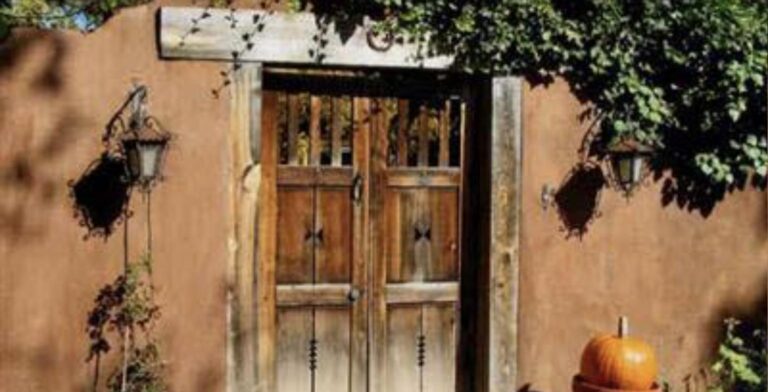
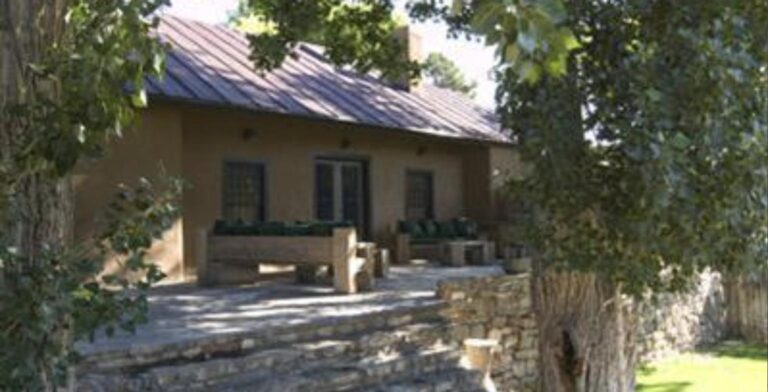
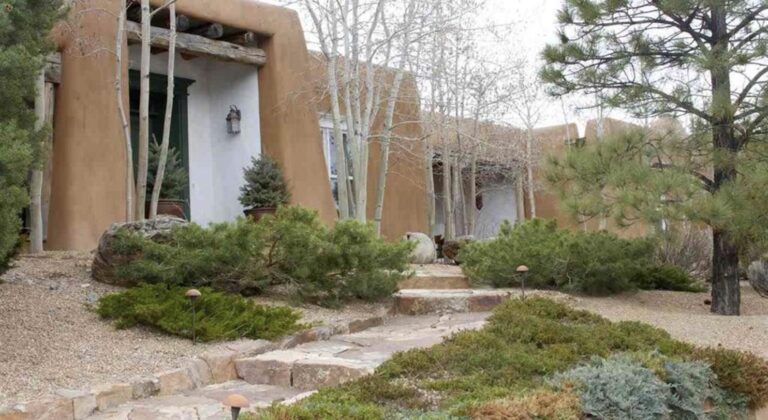
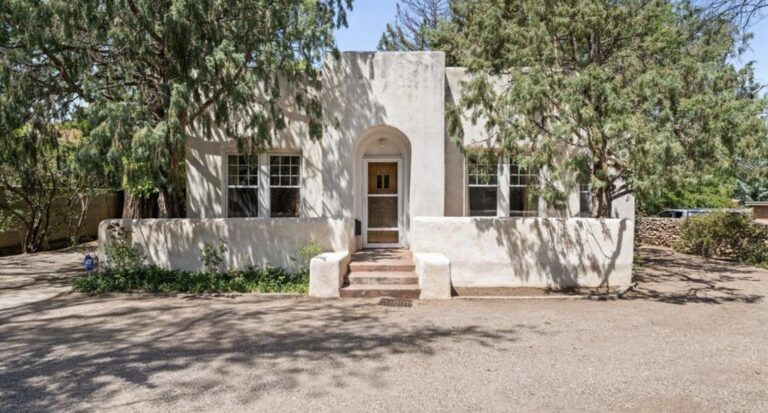
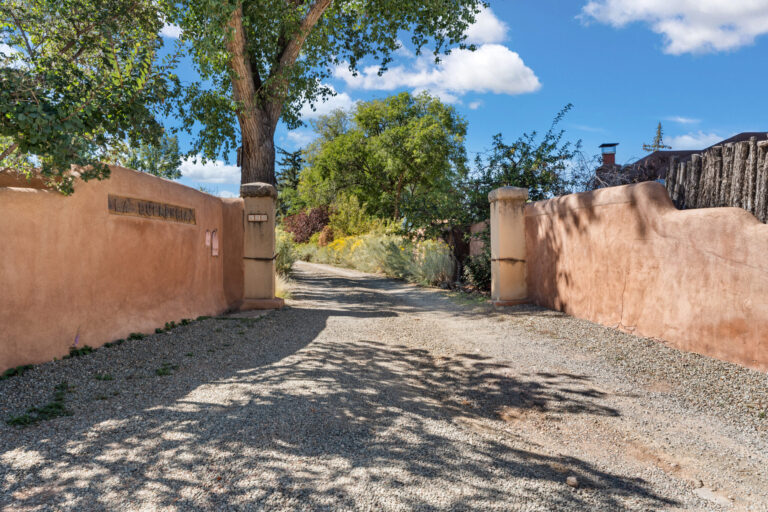
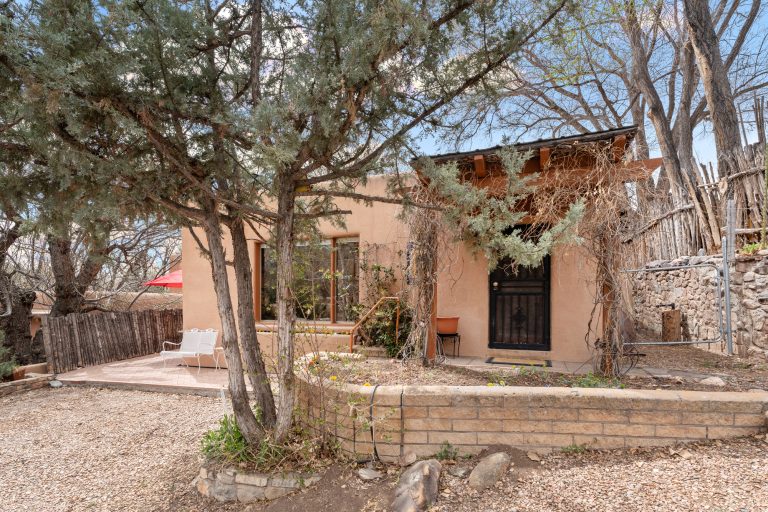
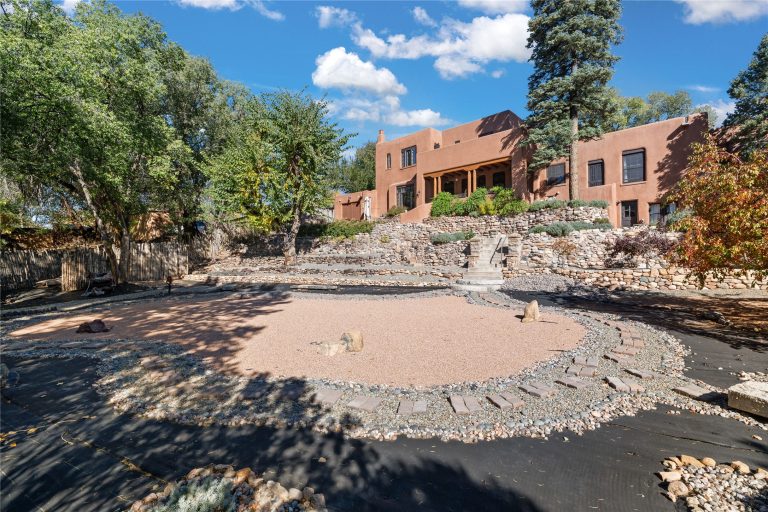
The architecture is the reason most buyers come here. Adobe compounds, Pueblo Revival homes, and Territorial-style estates sit on lots that have rarely changed hands. Many properties trace back to original families or to mid-twentieth-century artist-buyers; the Carlos Vierra House and several John Gaw Meem residences are within a few blocks of each other. The Historic East Side designation comes with preservation requirements, which is part of why the neighborhood looks today much as it did a hundred years ago — and why properties on its core streets command a premium.
Living here means walking. The Plaza is five to ten minutes on foot from most addresses. Canyon Road’s gallery district runs through the southern edge of the neighborhood. Restaurants like Café Pasqual’s, The Shed, and The Compound are part of daily life rather than special-occasion destinations. The trade-off is street parking, narrow lanes that flood quickly in monsoon season, and a finite number of properties that turn over slowly.
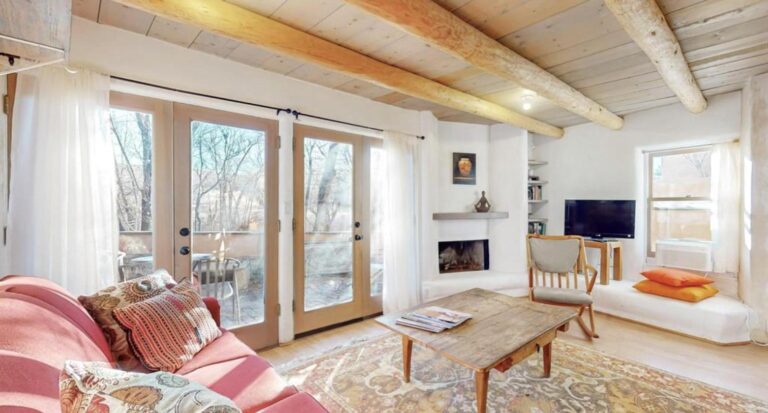
Webster Estates has handled some of the most significant Historic East Side transactions in recent decades, including properties on East Palace, East Alameda, and Camino del Monte Sol. Listings in this market range from intimate one-bedroom adobes to multi-acre compounds, with prices typically opening well above the Santa Fe median.
Daily life is walkable. The Plaza, Canyon Road’s gallery district, and downtown restaurants are within a five-to-ten-minute walk from most addresses. Houses are older adobes and Pueblo Revival homes on small streets that climb gently toward the foothills. The trade-offs are limited street parking, narrow lanes that flood in monsoon season, and a tight inventory of properties that turn over rarely. Buyers come for the architecture, the location, and the rare combination of historic character and walking-distance amenities.


Let's connect and discuss how we can help you enrich your Santa Fe experience.