Buying in Santa Fe for the first time, whether it is your first home anywhere or your tenth purchase but your first in northern New Mexico, means encountering a market with its own idiosyncrasies. Adobe construction has its own maintenance logic. Water rights matter in ways they do not in most American markets. Inventory turns over slowly enough that the property you fall in love with on a visit may not have a sibling for the next twelve months. This guide is written for buyers new to Santa Fe specifically, to orient you to what the market expects you to know.
The basics of the Santa Fe market
Santa Fe has roughly 90,000 residents, with a broader metro area closer to 150,000. The real estate market that serves this population is small relative to most American cities of similar reputation. In any given month, the entire Santa Fe County market typically holds a few hundred active listings across all price points, a total smaller than a single submarket of a major metropolitan area would carry. Inventory in the most desirable neighborhoods is thinner still. Some streets see only one or two transactions per year.
The practical implication: patience is part of the buying process. First-time Santa Fe buyers who arrive expecting to see ten properties a weekend and write an offer within a month often have to recalibrate. The market resembles a small, established art market more than a high-volume real estate market. The right property may take six to eighteen months to surface. Buyers who plan for that timeline tend to have a much better experience than buyers who do not.
Architecture: more important here than in most markets
In most American real estate markets, architectural style is a preference. In Santa Fe it is closer to a structural feature of the market, both in pricing and in long-term value. Understanding the basic architectural vocabulary before you start shopping pays off significantly.
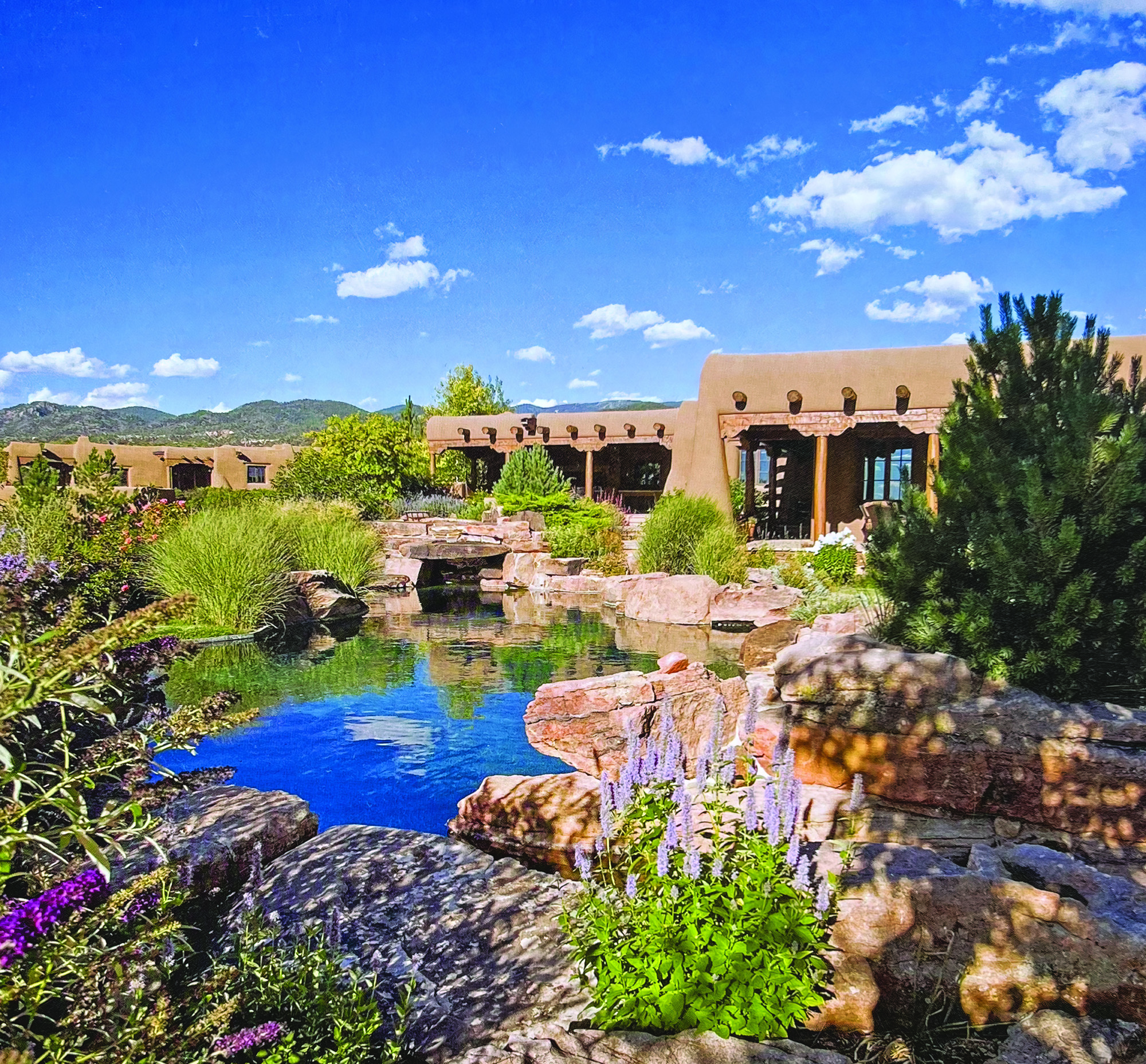
The major styles you will encounter are Pueblo Revival, Spanish Pueblo Revival (closely related, often used interchangeably), Territorial Style, Northern New Mexico Vernacular, and contemporary interpretations of these traditions. Properties designed by John Gaw Meem carry documented provenance that affects value. Authentic adobe construction is different from stucco-over-frame construction that mimics the look. Both exist in the market, and the differences affect both price and maintenance.
Adobe and adobe-style maintenance
If you are buying an authentic adobe, particularly one built before 1950, the maintenance profile is unlike anything most American homeowners are used to. Walls move with moisture. Re-stuccoing happens on a 5-to-15-year cycle depending on exposure. Drainage around the foundation matters a great deal more than in conventional construction. Original details (vigas, latilla ceilings, brick floors) are part of the property’s value and benefit from preservation rather than replacement.
None of this is hard once you know the basics, but it does require either a willingness to learn the relevant maintenance disciplines or a relationship with a local property manager who already knows them. Newer construction in adobe-style finishes (stucco over frame) is much closer to conventional maintenance.
Water, septic, and other New Mexico-specific details
Many Santa Fe properties, particularly outside the central city, are on private wells and septic systems rather than municipal water and sewer. Water rights in New Mexico are a separate property interest from the land itself, governed by the state’s well-developed water law. For most in-town buyers this is academic. For buyers looking at Tesuque, Northside, or rural properties in the surrounding county, water rights are a real component of the transaction and worth understanding.
Acequia rights, the historic Spanish-colonial irrigation rights, are also a feature of certain older properties, particularly in the Historic East Side and in rural neighborhoods. An acequia membership is a kind of ongoing community obligation as well as a water right. The local mayordomo (acequia administrator) is part of how that water actually gets delivered.
Choosing a neighborhood
Santa Fe’s neighborhoods are more distinct from each other than is typical for an American city this size. The first decision most buyers face is between walkable in-town living (Historic East Side, Canyon Road), amenity-rich community living (Las Campanas, Eldorado), or rural and estate living (Tesuque, Northside). Each represents a different life and a different price-to-value equation.
Most first-time Santa Fe buyers benefit from spending time in two or three neighborhoods before committing. The differences are easier to feel than to read about. Sitting at a coffee shop on East Alameda is a different experience from a morning at Tesuque Village Market, which is a different experience from the Hacienda at Las Campanas.
What the buying process looks like
The mechanics are similar to most American real estate transactions (offer, inspection, financing, title work, closing), but a few elements are New Mexico-specific. Title insurance, escrow practices, and disclosure norms follow state conventions. Inspections on adobe and historic properties benefit from inspectors who actually know historic construction; not all inspectors do. Financing for older adobe properties can be more nuanced than financing for newer construction, and some lenders are more comfortable with the property type than others. A buyer’s agent who works the local market regularly handles these details routinely.
Where Webster Estates fits
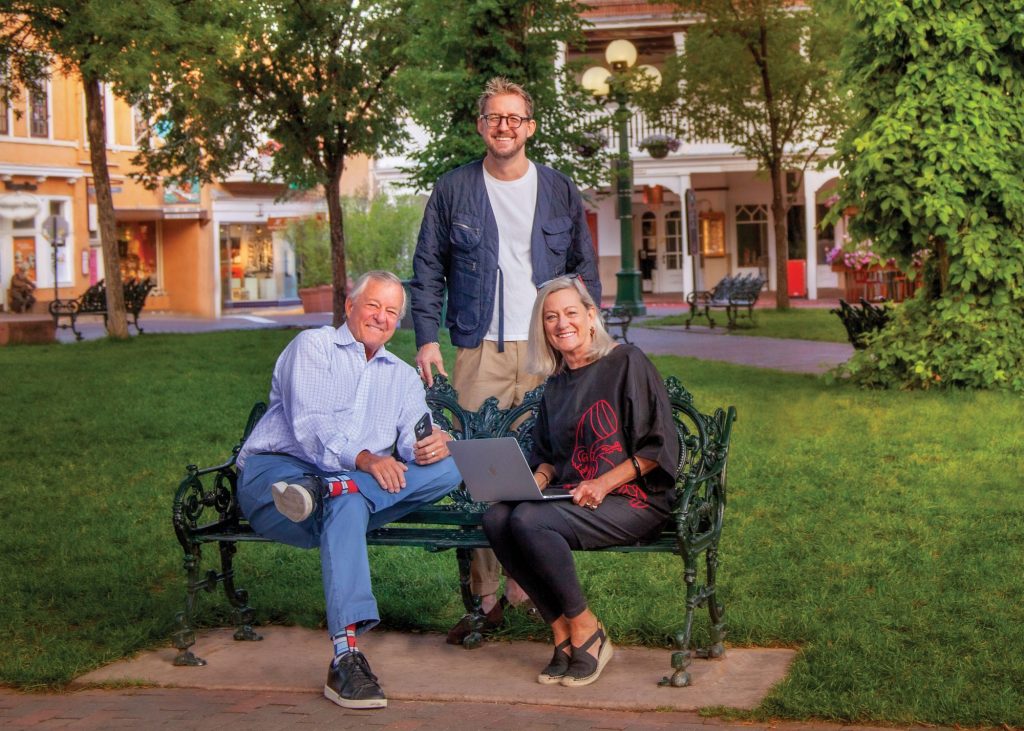
Webster Estates works extensively with first-time Santa Fe buyers, both buyers who have never owned property before and buyers who are deeply experienced elsewhere but new to the Santa Fe market. The orientation usually begins with a conversation about how you would ideally live in Santa Fe (daily walking, weekly entertaining, seasonal visits, long-term residency) and proceeds from there to specific neighborhoods and property types. The goal is to make the first Santa Fe purchase work and totally fulfill the buyers’ dreams.